
“Tired soil” is a grower’s diagnosis, not a lab one: the same fertilizer bill, the same varieties, the same irrigation — and yields that slip a little every season. The soil still holds nutrients, but it holds them differently: water ponds or runs off instead of soaking in, roots stay shallow, salt crusts appear in the dry edges of the bed. No single product reverses that. A recovery program works because it attacks the problem from three sides at once — soil conditioning, root re-establishment and metabolic support — using mineral-source potassium fulvate, a rooting stimulant and an amino-acid fertilizer together.
How Soil Gets Tired
Four processes, all well documented in intensive production, do most of the damage:
- Compaction. Repeated machinery traffic and tillage at the same depth collapse the pore spaces that carry air and water. Roots follow the pores; no pores, no root run.
- Salt build-up. In protected cropping especially, every fertigation pass leaves salts behind because evaporation exceeds leaching. Seedlings germinating into that zone start life already stressed.
- Lost organic matter. Continuous cultivation consumes soil organic carbon faster than residues replace it. Structure, water-holding capacity and nutrient exchange all ride on that carbon.
- Monoculture. The same crop year after year repeats the same root exudates, the same pests and the same depletion pattern, and the soil biology narrows around it.
The symptoms compound each other: compaction slows infiltration, salt concentrates where water evaporates, shallow roots cannot reach moisture, and the cycle tightens. That is why a single-input fix rarely holds.
The Three-Component Approach
The recovery program built from the BNSD Agro (Shandong Bainong Sida Biotechnology Co., Ltd.) nutrition range assigns each product a distinct job:
Mineral-Source Potassium Fulvate — Conditioning and Stress
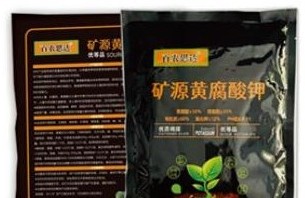
Mineral-source potassium fulvate is specified for root development, stress tolerance and soil conditioning. The mineral source matters for consistency: the fulvic-acid fraction comes with a defined specification rather than variable compost chemistry (the fulvic-vs-humic distinction is covered in the fulvic and humic acid guide). In the program it is the standing input for soil condition — improving the environment roots grow into and helping the crop hold its performance through stress periods.
Rooting Stimulant — Transplant Establishment
The chitosan-based rooting stimulant is positioned at transplant establishment — the moment a recovery program is easiest to start. A transplant dropped into compacted, salt-stressed soil either gets a root system running quickly or stalls for weeks. Rooting support at planting is what converts improved soil conditions into actual root volume; the product’s role and timing are detailed in the rooting stimulant guide.
Amino-Acid Fertilizer — Metabolism Support
The amino-acid water-soluble fertilizer supplies small organic molecules the crop can take up directly, supporting metabolism when the plant is working hard — after transplant shock, during rapid vegetative growth, after heat or cold stress. It is described fully in the amino-acid biostimulant guide; in this program its job is to keep the crop’s engine running while the soil around it recovers.
| Component | Primary role | Typical season slot |
|---|---|---|
| Mineral-source potassium fulvate | Root development, stress tolerance, soil conditioning | Early season onward, through the fertigation program |
| Chitosan-based rooting stimulant | Transplant root establishment | At planting and establishment |
| Amino-acid fertilizer | Metabolic support under demand and stress | Growth surges and post-stress recovery |
Where Microbial Support Comes In
The third piece of the title is not a separate product but a consequence of the first two. Soil microorganisms are the workforce that turns organic inputs into stable structure and plant-available nutrients, and they need carbon to work on. Fulvate and amino-acid inputs carry organic carbon into the root zone — feeding the microbial community is one of the established functions of organic soil conditioners in general agronomy. As microbial activity recovers, nutrient cycling and aggregate stability follow, roots explore deeper, and the soil begins paying for its own improvement. The program does not inoculate anything; it creates the conditions under which the existing biology can rebuild — which is also why patience matters, below.

Season Application Shape
The components layer onto a normal season without a special calendar:
- At planting: rooting stimulant at transplant establishment, so the crop anchors before summer stress arrives.
- Early vegetative onward: mineral-source potassium fulvate alongside the regular fertigation or drench program, building conditioning dose by dose.
- At demand peaks and after stress: amino-acid fertilizer to support metabolism during growth surges and recovery.
- Follow the product labels for rates on each component; the three are designed to be used alongside, not instead of, a sound NPK program.
What Recovery Actually Looks Like
Set expectations in seasons, not weeks. The realistic sequence is incremental: water infiltrating where it used to pool, roots visible deeper in the profile when a bed is opened, fewer salt crusts at the bed edges, seedlings establishing without the check they used to take. Soil damaged over years is repaired over years — any claim of a one-pass cure should be treated as a red flag, and this guide deliberately promises no numbers it cannot stand behind. What the program guarantees is direction: conditioning, rooting and metabolic support applied consistently, season after season.
The three components are listed on the nutrition products page. To shape a recovery program around your crop, soil type and market, contact BNSD Agro.
FAQ
Can tired soil be fixed in one season?
No — and be suspicious of anyone who says otherwise. Compaction, salt build-up and lost organic matter developed over years of continuous cropping, and they recede the same way. The three-component program is built for steady, cumulative progress measured over multiple seasons.
Fulvate or humic acid — which belongs in a recovery program?
Both are organic soil conditioners, but fulvic acid’s smaller molecular size keeps it active and mobile across a wider pH range, which suits fertigation and foliar use; humic fractions do more of the long-term structural work. The mineral-source fulvate in this program is chosen for a defined, consistent specification. The comparison is set out in the fulvic and humic acid guide.
Is the rooting stimulant a hormone?
It is a chitosan-based biostimulant positioned for transplant establishment, not a synthetic hormone. Its job in the program is specific — get a root system running quickly in improved but still imperfect soil — and its application details are in the rooting stimulant guide.
Does the amino-acid fertilizer replace NPK?
No. Amino acids support metabolism and help the crop use what is available; they do not carry the bulk nitrogen, phosphorus and potassium a crop needs. In this program the amino-acid input rides on top of the regular fertilization plan, at growth surges and after stress.
WhatsApp / WeChat: +86 199 0636 5856