
For a new importer, the minimum order quantity is often the first hard reality of pesticide sourcing: the product is right, the price is right, and then the factory answers the volume question. MOQ is not arbitrary gatekeeping. It exists because of how formulated pesticides are actually produced, packed and released — and once you see the mechanics, there are practical ways to work with it. This guide explains why minimums exist, what drives them up or down for a given product, and how smaller importers structure first orders that clear them.
Why MOQs Exist
Batches, not drip production
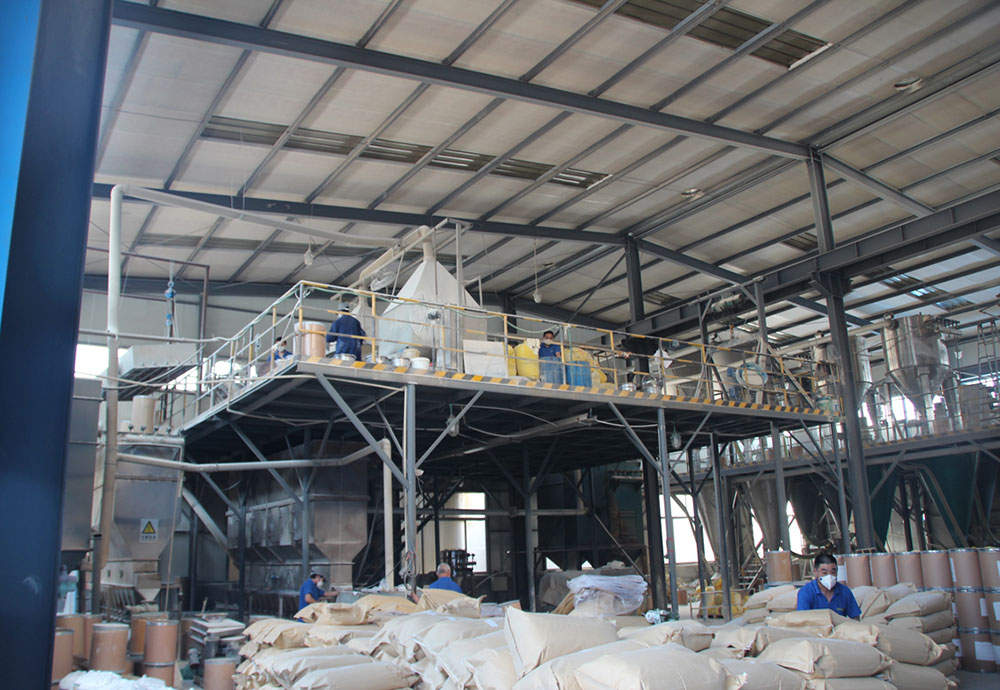
Formulation plants run in batches. A mixing tank, a mill and a granulation line are sized for a production batch; running them half-empty costs nearly as much as running them full, and every batch carries the same QC workload — sampling, HPLC/GC testing, documentation — regardless of size. Below a certain batch size, the cost per kilogram stops making sense for either side.
Packing lines punish small runs
Each product-and-pack combination is a changeover: different bottles or bags, new label film, line reset. A short run spends more time changing over than producing. Minimums per SKU-pack keep the line running more than it waits.
Registration makes “a little bit” impossible
Products are manufactured under a registration certificate and released per batch against it. There is no compliant way to make 30 kg of a registered product: the batch either meets the standard or it does not, and the compliance overhead is the same either way.
OEM raises all of the above
For stock products in standard packs, a factory may absorb a small run into planning. For OEM production — the buyer’s label, custom pack format, bespoke leaflets — every unit is unique to that buyer, so minimums rise accordingly. This is general trade practice, not the policy of one factory.
What an MOQ Depends On
MOQ varies by product and pack. The variables in play: whether the item is a stock product or made to order; the active’s price and availability; the pack format — small retail formats push MOQ up faster than 25 kg drums or 40 kg bags; and whether the buyer needs custom labels and leaflets. BNSD Agro, for example, exports 99 SKUs across six categories — fungicides, insecticides and acaricides, herbicides, insecticide-fertilizer granules, plant nutrition and crop programs — in packs from 10 mL to 40 kg (company information). With a range that wide there is no single number: MOQ is quoted per product and per pack, which is why the export desk, not a website table, is the right place to ask.
First-Order Strategies for Smaller Importers
Build a mixed container, not a big bet on one SKU
The classic first move for a smaller importer is consolidating several products into one container: a few fast movers from different categories instead of a full load of one SKU. Mixed loading turns several small orders into one shippable order — the mechanics, including DG segregation inside the container, are covered in our container consolidation guide. A portfolio of 99 SKUs across six categories makes this practical: trial quantities of several products, one container, one customs entry.
Start with fast movers in standard packs
First orders reward the standard path: registered, regularly produced products in the factory’s standard export packs. Custom packs, private labels and niche contents all raise MOQ and lead time; save them for the second order, when volume data exists to justify them.
Match the pack to the trial
Retail-format packs carry the highest packaging cost and the highest per-SKU minimums. A first container built around mid-size packs, with a few 25 kg drums for the professional segment, stretches the same budget across more products.
Ask, then plan
Minimums quoted per product and pack turn into a plan: which SKUs clear at trial volume, which need consolidation, which wait for repeat volume. Send the export desk a candidate list with target volumes and you will get numbers per SKU rather than a blanket figure.
The Scaling Path
Importers who grow with a factory tend to follow the same sequence: a mixed trial container to test the market; repeat orders on the SKUs that moved; those SKUs graduating to fuller volumes at better unit prices; and only then custom packs or OEM volumes, sized by real demand instead of optimism. Each step stays above the MOQ line because each step is justified by data from the step before.
The product range shows the categories available for a first mixed load, and the export desk will quote MOQ per product and pack for your candidate list.
FAQ
What is a typical MOQ for pesticides from China?
There is no single number: MOQ varies by product and pack, and OEM or private-label production sits higher than stock products. Fast-moving registered items in standard export packs sit at the low end. Give the export desk a candidate list and target volumes, and ask for MOQ per SKU.
Why is OEM MOQ higher than for stock products?
Custom labels, bespoke pack formats and destination-language leaflets are made for one buyer and cannot be resold if the order stalls. The higher minimum covers the setup and abandonment risk that stock production does not carry.
Can I mix different products in one container to meet minimums?
Yes — mixed loading is the standard first-order strategy for smaller importers: several SKUs, each at its own MOQ, consolidated into one container. Pesticides move as dangerous goods, so inside-container segregation matters; the consolidation guide covers how it is done.
How do I lower the MOQ on a first order?
Work with stock products in standard packs, choose mid-size formats over retail formats, consolidate multiple SKUs into one container, and reserve custom packs for the repeat order — once you know what your market actually takes.
WhatsApp / WeChat: +86 199 0636 5856