
Every crop protection market has a rhythm: demand arrives in a rush, and the distributors who already hold stock sell into it while the ones who ordered late watch the season open without them. Off-season stocking — placing production orders in the quiet months before the season — is how experienced distributors remove that risk. It is not speculation and it is not overbuying; it is matching a production calendar that runs all year to a selling season that does not. This guide explains why off-season production slots matter, what they secure, how to think about the cash, and how slot booking works with BNSD Agro (Shandong Bainong Sida Biotechnology Co., Ltd.).
Why Off-Season Production Slots Matter
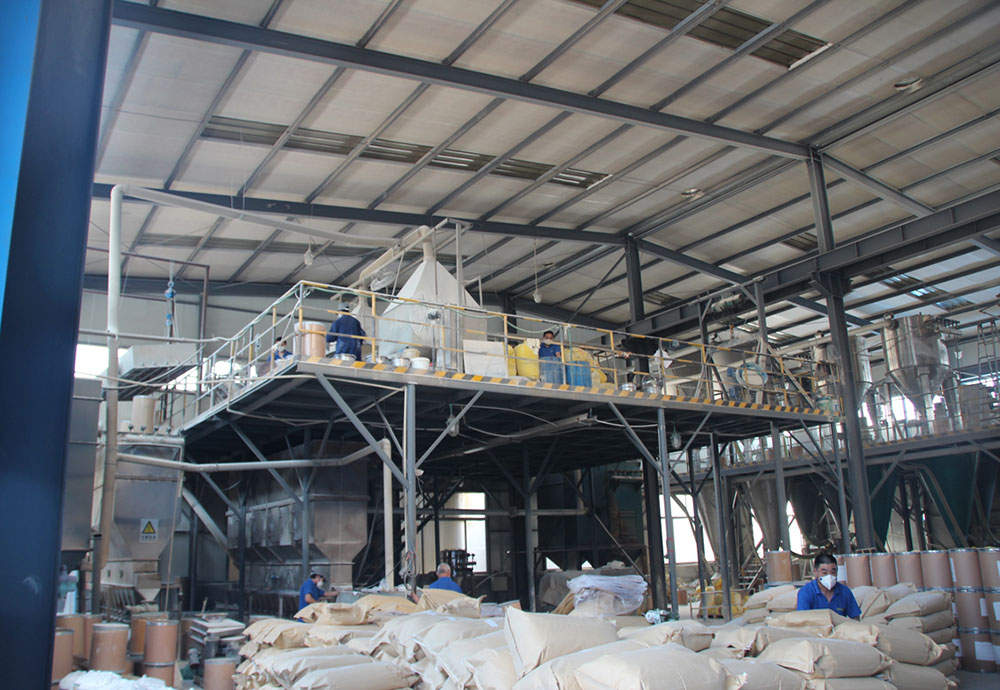
Formulation capacity is finite and everyone wants it at the same time. A pesticide factory’s daily throughput is fixed by its lines: at BNSD, six powder (air-mill) lines run at roughly 20 tonnes per day, with SC and EC lines running alongside and a new digitalized WDG plant adding 8,000 tonnes a year of granule capacity. Those numbers look generous in November and tight in April, because in season the order book fills in weeks — every distributor in the hemisphere is asking for the same window.
Booking production in the off-season inverts that queue. When the lines are open, your batch is scheduled, produced, tested and packed in sequence instead of waiting behind larger and earlier orders. The capacity is the same; the position in it is what off-season buying buys.
| Phase | What to do | Why it pays |
|---|---|---|
| Just after your season ends | Review sell-through, draft next season’s product list | Plan on real numbers, not memory |
| Mid off-season | Confirm SKUs, packs and volumes; book production slots | Factory lines and vessel space are open |
| Nearing peak season | Production, batch release testing and shipment | Goods land before the first sales wave |
Supply Certainty Before Peak Season
The core benefit is simple: stock on your shelf when the season opens. Supply certainty compounds through the chain — production booked early means release testing (at BNSD, every batch is tested by HPLC or GC before shipment) happens early; early production means early booking of DG vessel space and forwarding, which matters because pesticide cargo is dangerous goods and sailings do not expand to meet demand. Distributors who order in season routinely spend their best selling weeks waiting for production, then waiting again for shipping space. Off-season buyers spend those weeks selling.
Price Stability Logic
Off-season orders also fix commercial terms before the market tightens. In season, demand pulls on everything at once — raw materials, packaging, production slots, freight — and prices move in one direction. Ordering ahead locks the specification and the terms at signing, so the season’s margin is set when the order is placed rather than gambled on where input costs land. No one can promise where any market will be next season; the point of off-season buying is that you stop needing to guess.
The Cash-Flow Frame
Stocking ahead moves capital earlier, so it deserves an honest frame rather than an instinctive “no”. Inventory bought in the off-season converts at full-season prices; emergency mid-season orders convert at peak prices and often add expediting costs on top. The practical approach is to spread the buying across the off-season window — confirm the core list early, book slots against a forecast, and keep a smaller flexible tranche for in-season top-ups — rather than writing one large cheque on day one.
Two storage realities keep the plan honest. First, shelf life: formulated pesticides typically carry a label shelf life of around two years from production date, so a season’s stocking cycle sits comfortably inside it — always confirm the label of the destination market. Second, storage conditions: heat, UV, freeze-thaw and humidity are what degrade stock in the warehouse, not the calendar. Pallets off the ground, sealed original packs, FIFO rotation and herbicides stored apart from insecticides and fungicides are the habits that make stocked goods worth full price next season. Our pesticide shelf-life and storage guide covers the full checklist.
Booking Off-Season Slots with BNSD
BNSD Agro treats off-season production as a booking, not a favour. The sequence: agree the SKUs, packs and volumes — from a portfolio of 99 export SKUs across six categories, in pack formats from 10 mL to 40 kg — reserve a production window, then manufacture against the agreed specification with batch-level traceability and HPLC/GC release before shipment. Buyers with destination-market requirements lock labels and documents at booking so the goods arrive sellable, not just finished. To check line availability for your season window, contact the export desk via the contact page, and review the portfolio on the products page while planning the list. For the storage half of the strategy, read the shelf-life and storage guide.
FAQ
How far ahead of the season should distributors order pesticides?
Early enough that production, release testing and DG shipping all happen before your first sales wave — which in practice means placing orders in the off-season, when factory lines and vessel space are open rather than queued. The further your market is from China, the earlier the order needs to land.
What are the advantages of off-season stocking?
Three. Supply certainty: your batch is produced and shipped before the peak-season queue forms. Price stability: specification and terms are fixed at signing instead of exposed to in-season cost pressure. And logistics headroom: DG vessel space and forwarding are booked from a position of calm, not scarcity.
Will stocking ahead save money?
It removes exposure rather than promising a discount. Ordering ahead locks terms before raw material, packaging and freight markets tighten in season, and avoids the expediting costs of emergency mid-season orders. Treat the saving as margin protected, and plan cash flow by spreading purchases across the off-season window instead of one large upfront order.
How should stocked pesticides be stored before the season?
Cool, dry, out of direct sunlight, in sealed original packs on pallets off the ground, rotated FIFO, with herbicides stored separately from insecticides and fungicides. Formulated products typically carry around two years of label shelf life from production date — confirm the destination label — and physical checks on receipt (no crystals in SC, no caking in WDG) confirm the stock starts healthy.
WhatsApp / WeChat: +86 199 0636 5856