
Among the questions importers ask before their first agrochemical order, freight is where the surprises hide. The goods are produced, the contract is signed — and then the freight forwarder looks at the packing list and replies: “this moves as dangerous goods.” For a large share of pesticide formulations that is simply true, and it changes the paperwork, the packaging, the cost and the booking schedule. None of it is a problem if you expect it; all of it is a problem if you don’t. This guide explains why pesticides are classified as dangerous goods, what DG shipping actually involves, how BNSD Agro (Shandong Bainong Sida Biotechnology Co., Ltd.) handles DG cargo, and what you as the importer should prepare on your side of the transaction.
Why Most Pesticides Ship as Dangerous Goods
Two properties put a pesticide into the dangerous goods system: toxicity and flammability.
- Toxicity. Insecticides, acaricides and many herbicides are, by design, biologically active against living organisms. Formulations whose acute toxicity falls in the regulated band ship under Class 6.1 — toxic substances.
- Flammability. Solvent-based liquid formulations — emulsifiable concentrates (EC) above all — contain organic solvents that can flash. Depending on the flash point of the whole formulation, these products ship under Class 3 — flammable liquids.
At the other end of the scale, some low-toxicity solid formulations — many wettable powders (WP), water-dispersible granules (WDG) and granules (GR) — can move as general cargo. There is no rule of thumb that decides this from the label, though: classification is product-specific, driven by the formulation’s own test data. The classification statement (UN number, proper shipping name, class, packing group) comes from the manufacturer’s safety documentation, and the freight forwarder will ask for it before quoting. Treat “is this DG?” as a question with a different answer for every SKU in your plan, not one answer for pesticides as a category.
What DG Shipping Involves in Practice
Once a product is classified as dangerous goods for sea transport, the shipment picks up a defined set of requirements. The details live in the international maritime rules for dangerous goods, but the practical elements are stable across forwarders and carriers:
- UN-approved packaging. Inner packs and outer boxes or drums must be performance-tested packaging carrying the UN packaging mark. A retail pack that looks fine on a warehouse shelf can still be non-compliant for DG transport — packaging has to survive stacking, vibration and moisture exposure as tested, not just look good.
- Dangerous goods declaration. The shipper signs a declaration stating the UN number, proper shipping name, class, packing group and packing method for the cargo. It travels with the booking and makes the shipper accountable for the accuracy of the classification.
- Container packing certificate and correct stowage. DG cargo is stowed according to segregation requirements: toxic products kept away from foodstuffs and feed, incompatible classes kept apart, and the container packed, blocked and braced so packs cannot shift at sea.
- A forwarder and carrier that actually accept DG. Not every booking desk handles dangerous goods, and vessels carry DG only within limits per voyage. Booking lead times are longer, and freight quotes carry DG-related surcharges.
How BNSD Agro Handles DG Cargo
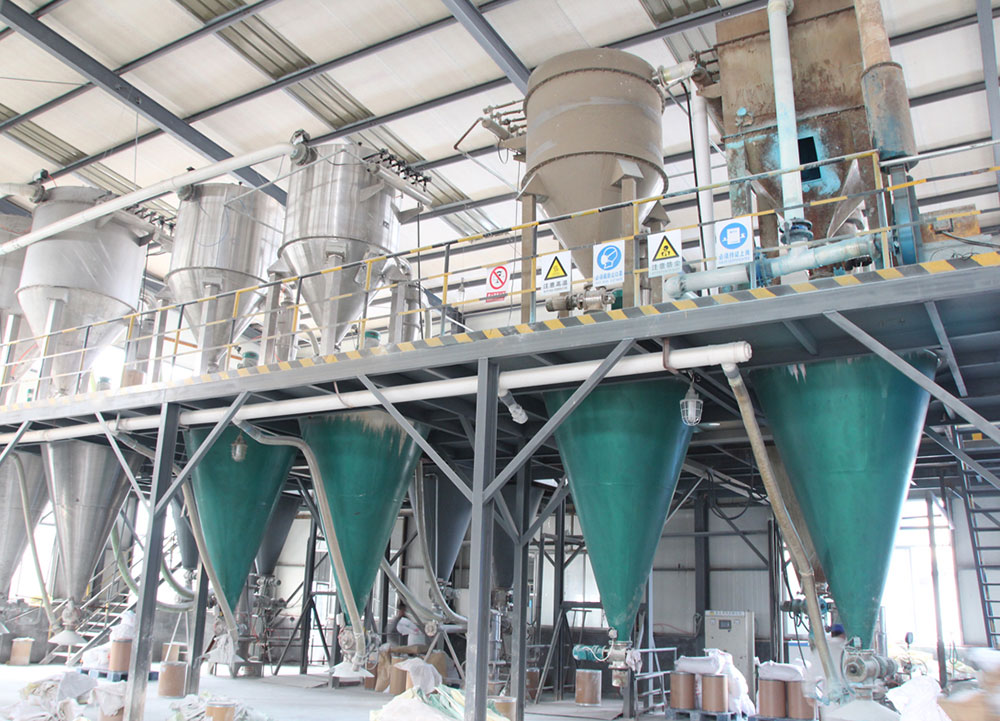
DG compliance is routine, not exceptional, in BNSD Agro’s export operation (company information). Products that ship under Class 6.1 or Class 3 leave the plant with the classification documentation the forwarder needs, packed in export packaging matched to the product’s DG requirements — the same packaging discipline that runs through the company’s automated high-rack warehouse and batch-level traceability system. Buyers shipping on FOB terms can hand the DG declaration chain to their own forwarder; buyers on CIF terms can have the DG booking handled from the Chinese side. Either way, this conversation starts earlier than it would for general cargo — which is exactly how it should start.
What the Importer Should Prepare
The exporter carries the DG paperwork out of China. The importer carries an equally important set of tasks on the destination side:
- Confirm the product’s acceptance at the destination port. Some ports and transshipment hubs restrict certain DG classes or apply handling premiums; your customs broker should confirm acceptance before you confirm the order.
- Engage a customs broker who knows agrochemicals. Destination clearance for pesticides involves registration and labeling requirements on top of the usual tariff work — a broker who has cleared crop protection cargo before will save you a demurrage bill.
- Plan inland transport as DG too. If the container moves by road or rail after discharge, the DG status continues all the way to the destination warehouse; make sure the inland leg is booked with that in mind.
- Allow longer lead time in the order calendar. DG bookings, vessel space and documentation all take longer than general cargo. Building a cushion of weeks — not days — into the plan keeps the arrival aligned with your crop season instead of chasing it.
Set Expectations, Then Let the System Work
Nothing in DG shipping is exotic. It is a documented, standardized system with a simple price tag: extra documentation, approved packaging and some additional freight cost, in exchange for cargo that is legal, insurable and safe to handle at every point along the route. Importers who budget for that from the first inquiry — and whose supplier treats DG compliance as routine — rarely think about it again after the second or third shipment. To see who you are buying from, start with the about page; to request DG classification documents for any SKU before you book freight, go through the contact page.
FAQ
Are all pesticides dangerous goods?
No. Classification is product-specific. Many toxic insecticides and solvent-based emulsifiable concentrate (EC) formulations ship under Class 6.1 or Class 3, while a number of low-toxicity solid formulations (WP, water-dispersible granule (WDG), GR) can move as general cargo. The answer comes from the formulation’s own data — ask for the classification statement per SKU rather than assuming either way.
Does DG shipping cost more than general cargo?
As a rule, yes. Carriers apply DG-related surcharges, approved packaging costs more than standard export packing, and the booking process takes longer. The premium varies with route and class, so the workable habit is to ask your forwarder for a DG quote early, per SKU, and build it into the landed cost.
Which documents does DG shipping require?
On top of the standard commercial invoice and packing list: the dangerous goods declaration with UN number, class and packing group; UN packaging marks on the packs; the product safety data sheet; and the container packing certificate on the shipping side. Destination requirements — import permits, registration documents — come on top of that.
Can DG and non-DG cargo travel in the same container?
Sometimes, but only within the segregation rules. Toxic products must be kept away from food and feed, incompatible classes must not be packed together, and the whole stowage plan has to satisfy the carrier’s requirements. Mixing DG and non-DG in one container is a planning question your forwarder answers per shipment — never an assumption made at order time.
WhatsApp / WeChat: +86 199 0636 5856